Places to Visit
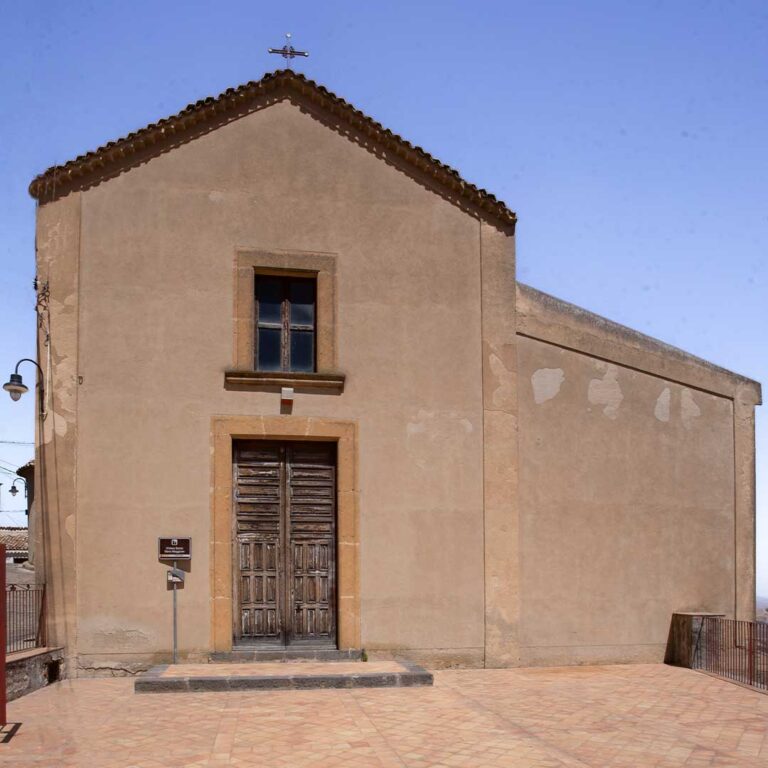
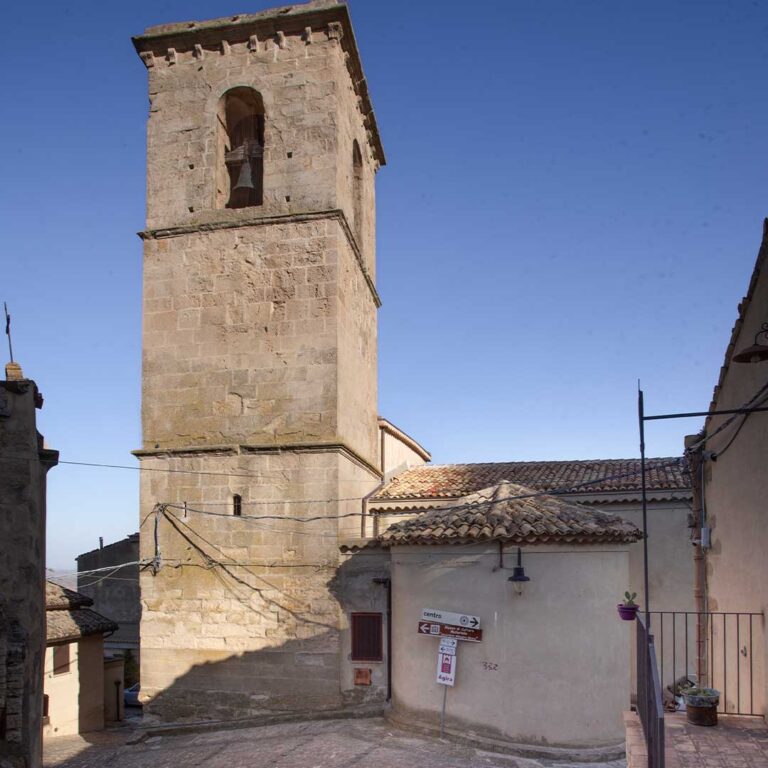
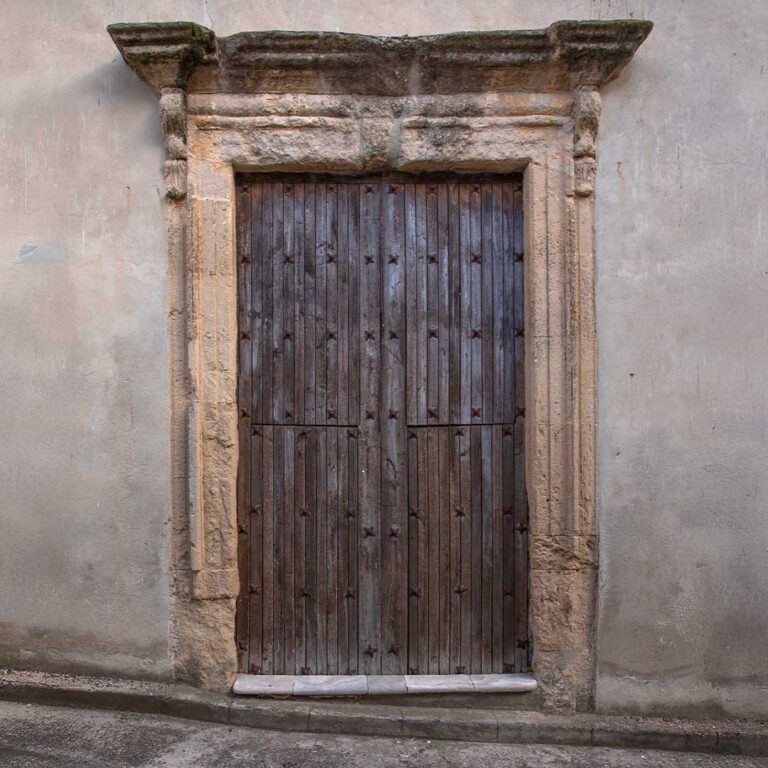
Among the oldest and most evocative churches in Agira, the Collegiate Church of Santa Maria Maggiore preserves centuries of history, art, and faith. Built during the Norman period, between the 11th and 12th centuries, it stands in the heart of the historic center and represents one of the most valuable examples of medieval sacred architecture in Sicily.
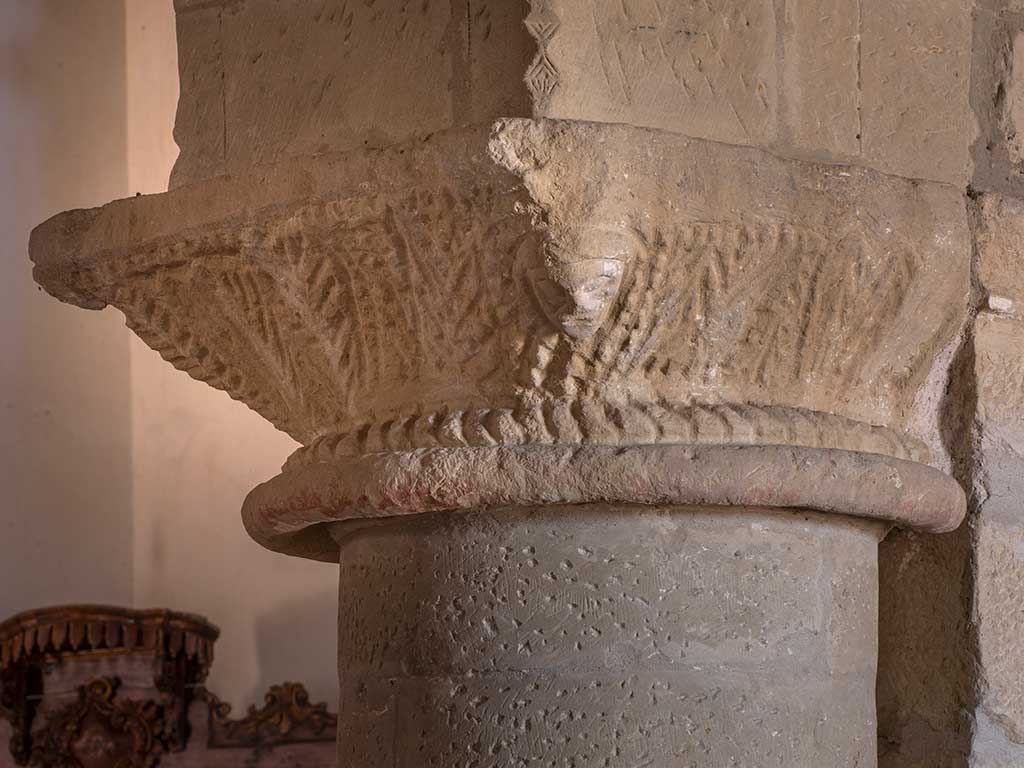
The church was built after the expulsion of the Arabs, likely on the site of a pre-existing pagan temple. The original structure, composed of two naves, still preserves a row of columns and a single freestanding column along the right wall—visible traces of the ancient layout.
In 1689, following the administrative reorganization promoted by Monsignor Carafa, Bishop of Catania, Santa Maria Maggiore was elevated to parish status and later granted the rank of Collegiate Church, acquiring a central role in the religious life of Agira. parrocchia e successivamente al rango di Collegiata, acquisendo un ruolo centrale nella vita religiosa agirina.


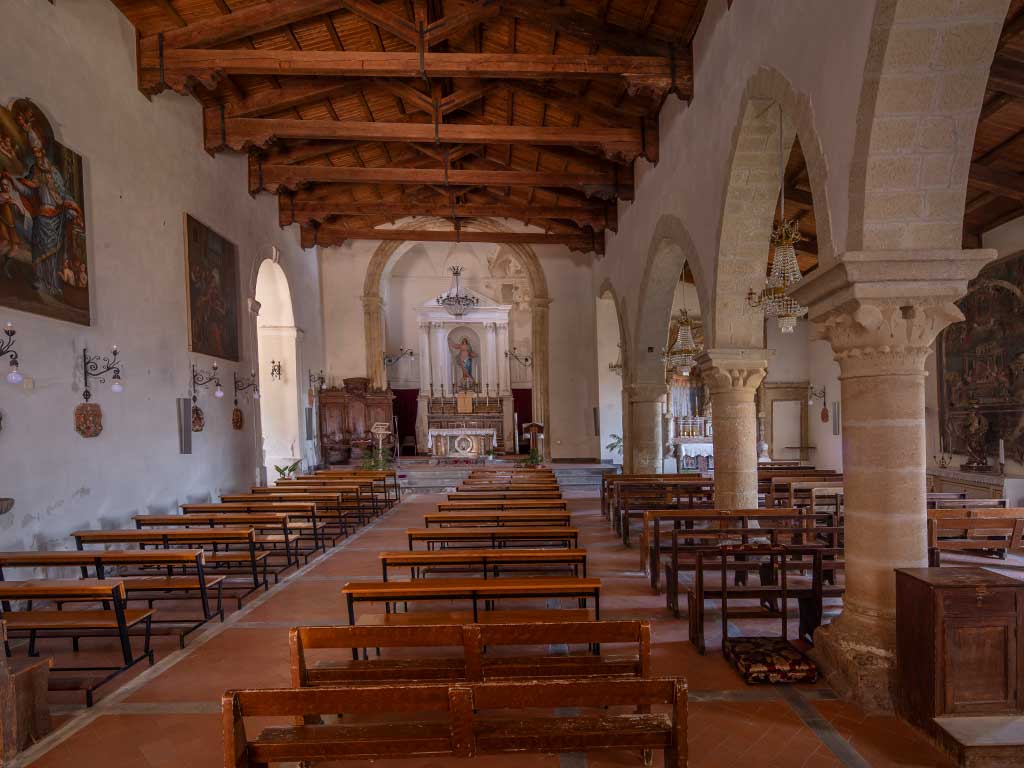
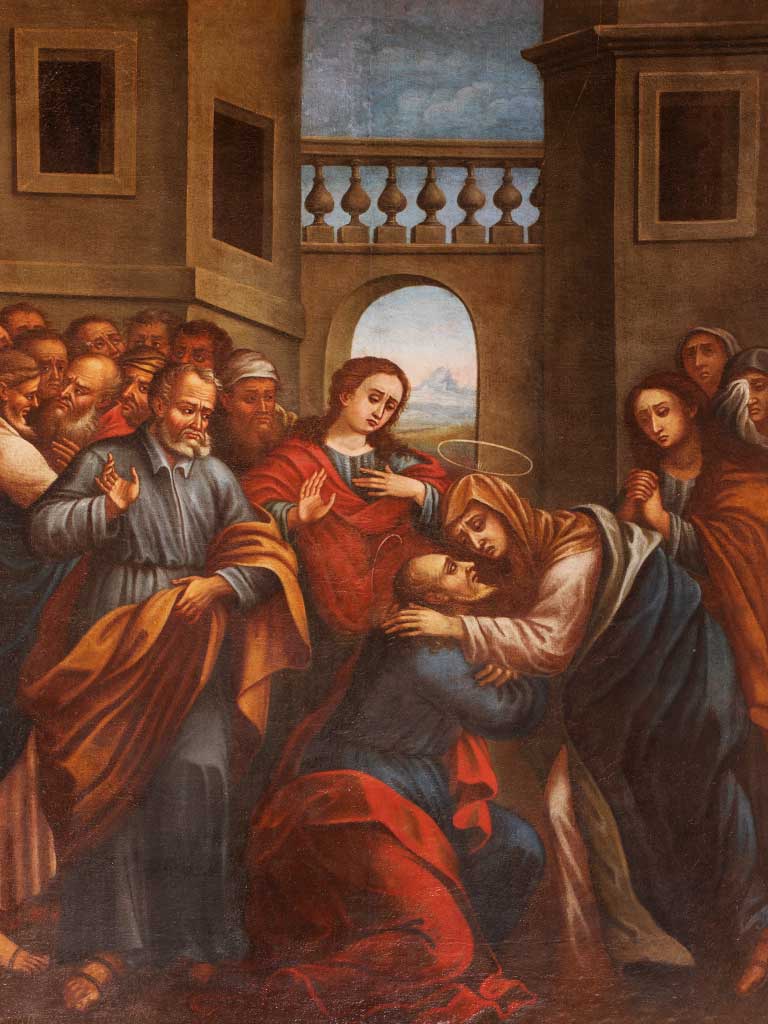
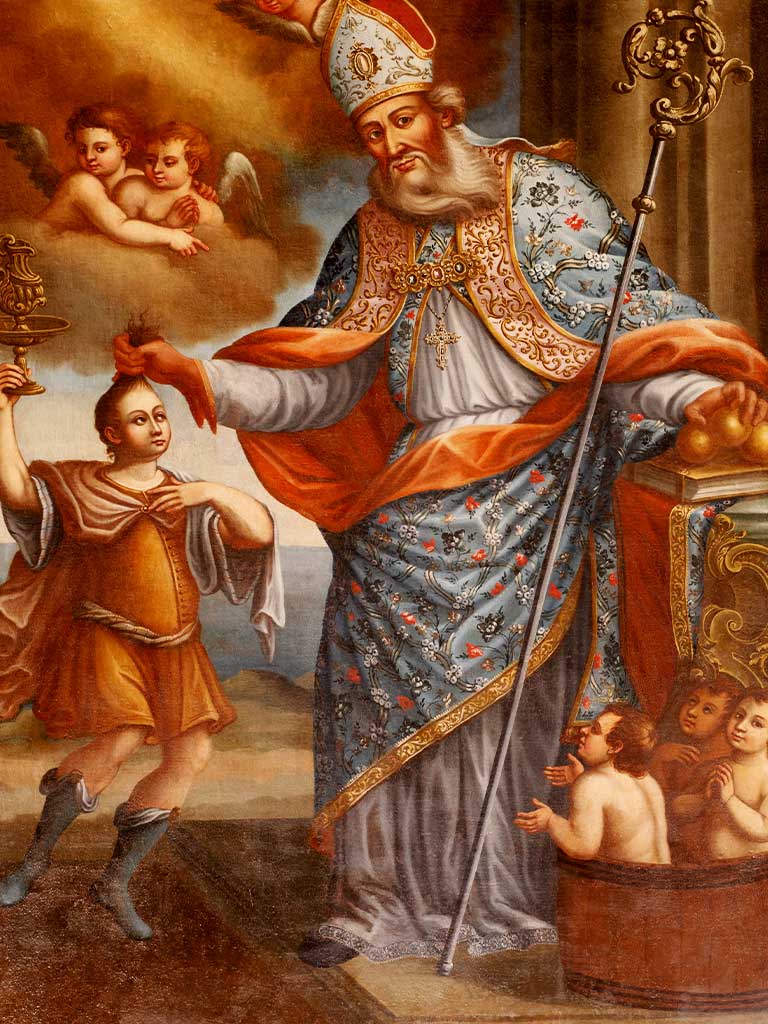
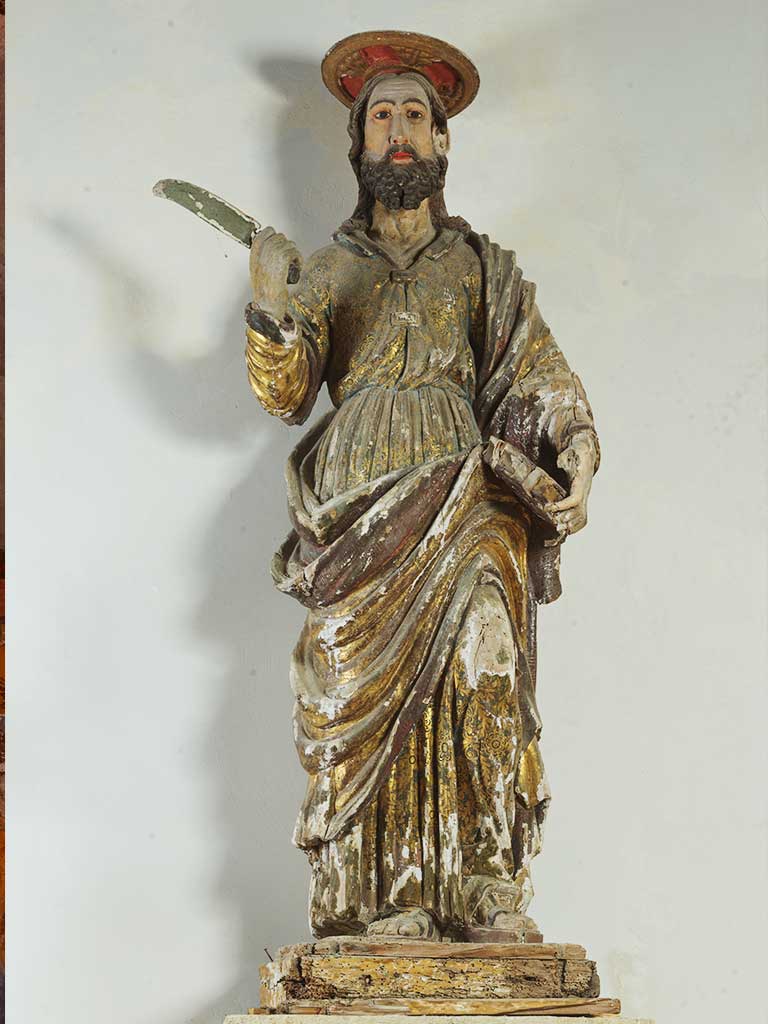
Inside the church are works of great artistic and devotional value:
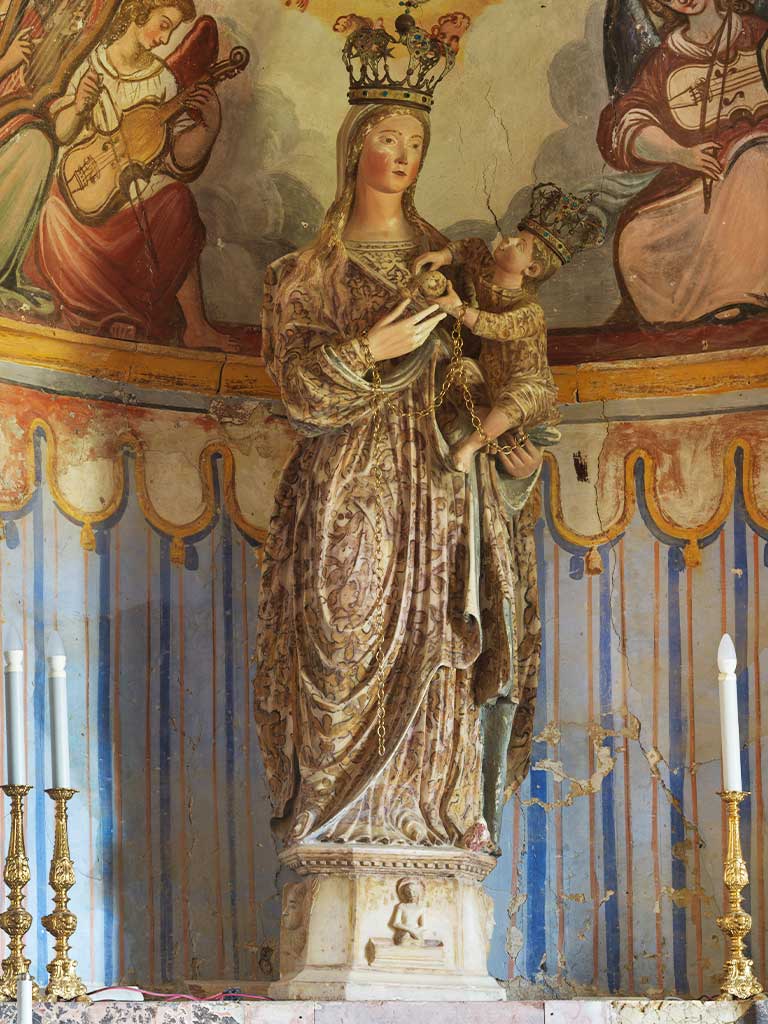
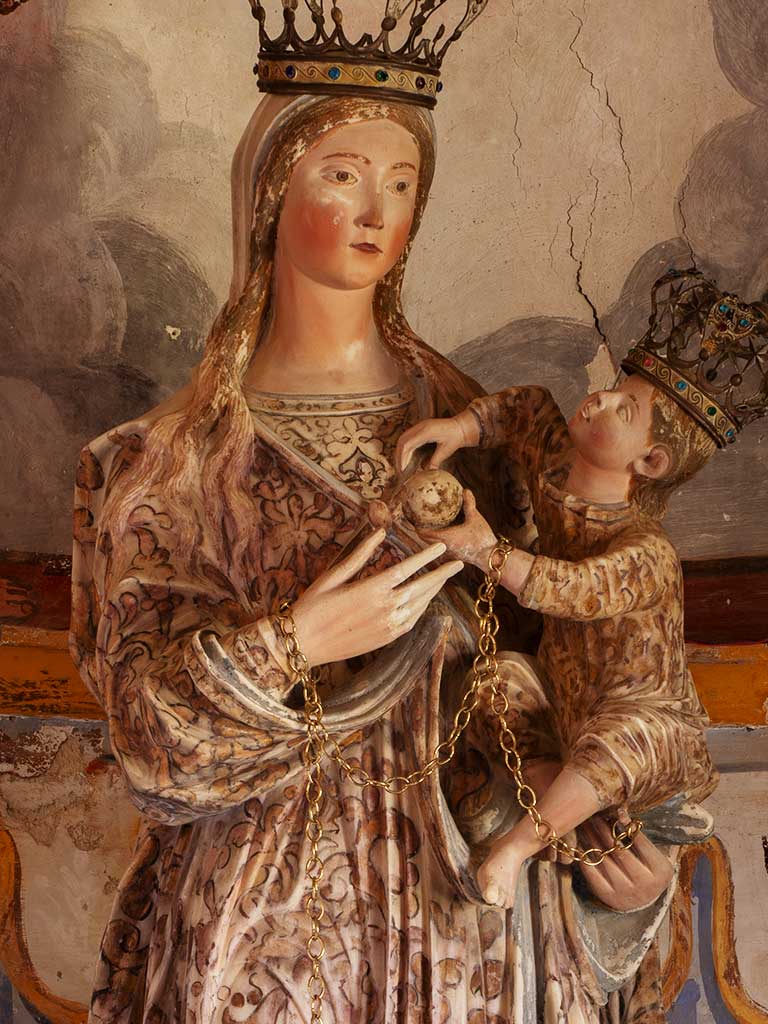
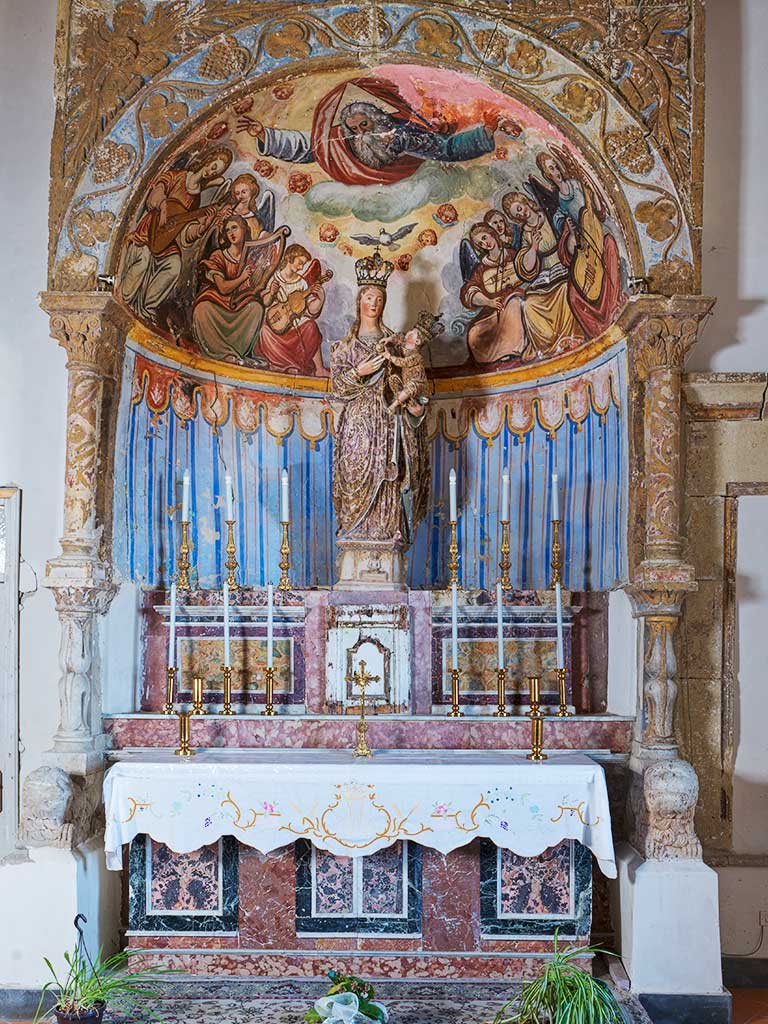
A refined statue in polychrome alabaster, adorned with an embroidered silk mantle and crowns from a later period. The Child Jesus, portrayed in a playful pose, offers a rare example of sculptural liveliness for its time. The altar that houses the statue is enriched by two Romanesque stylophore lions and an arch decorated with grape clusters and leaves—classic Eucharistic symbols.


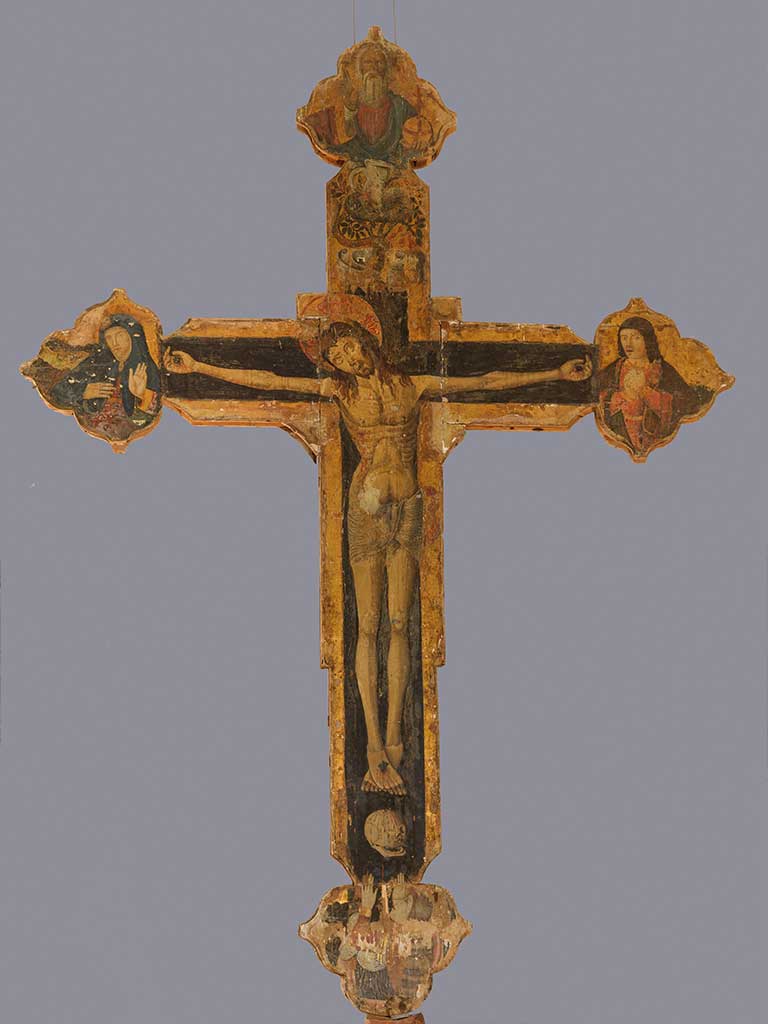
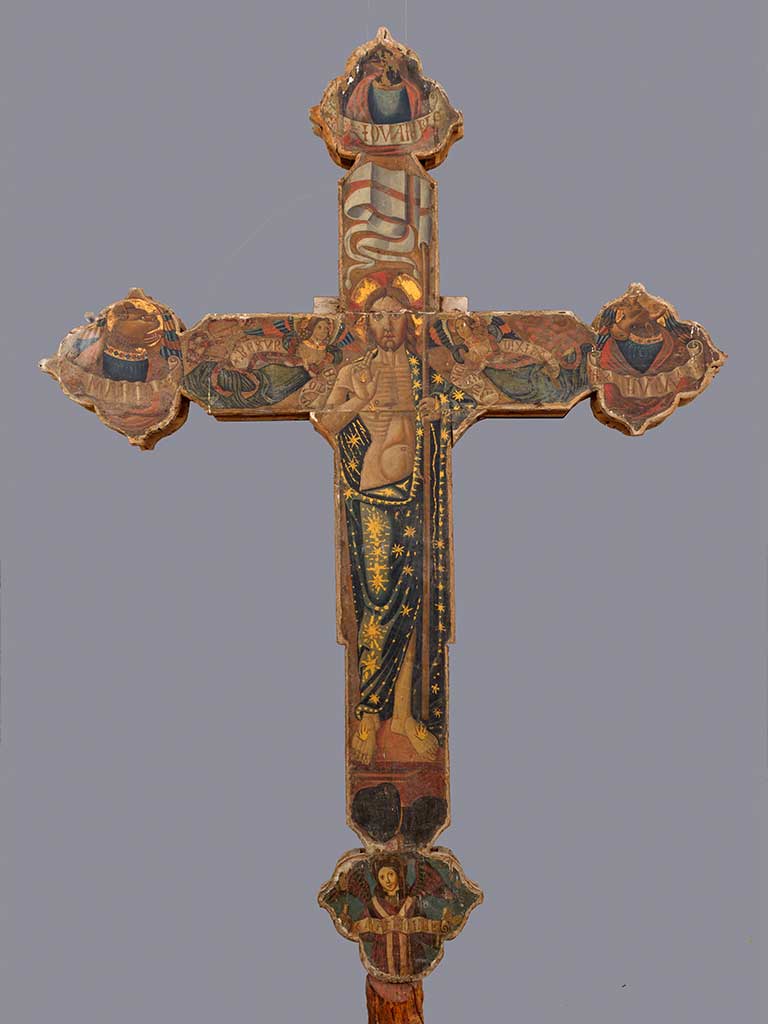
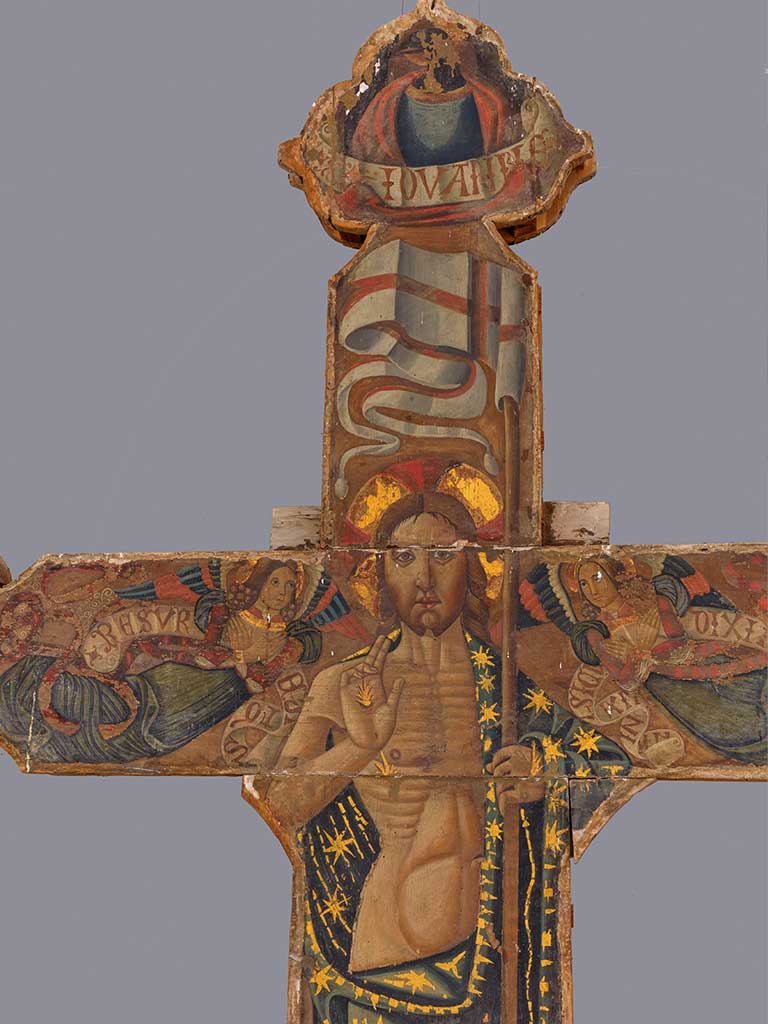
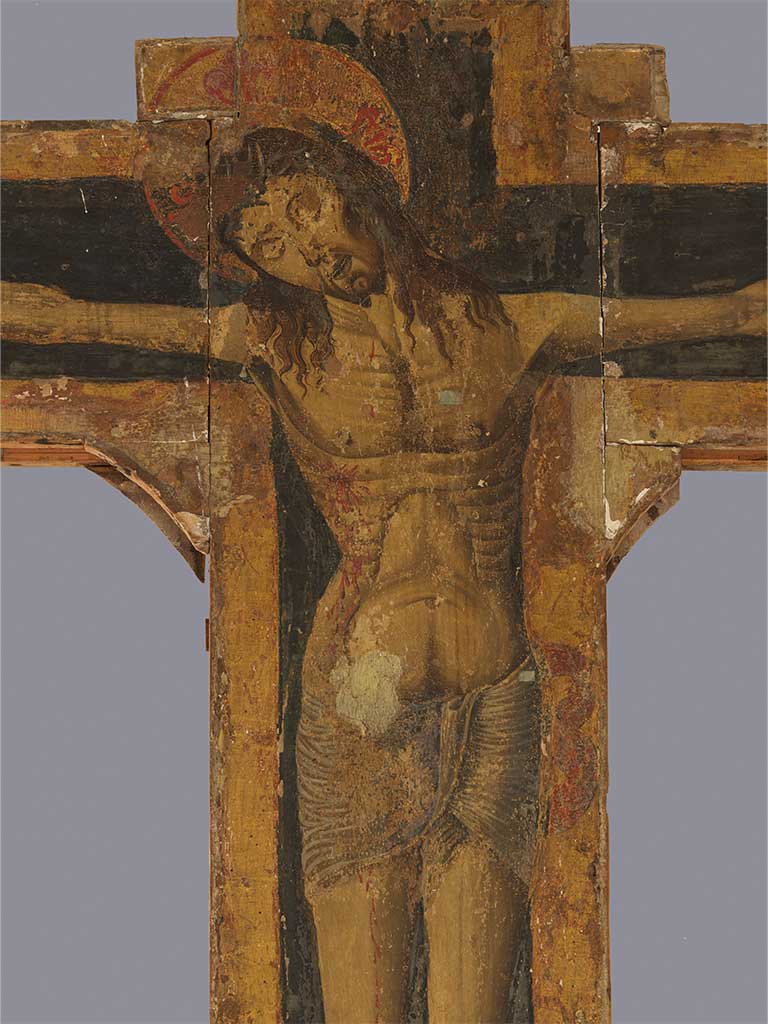
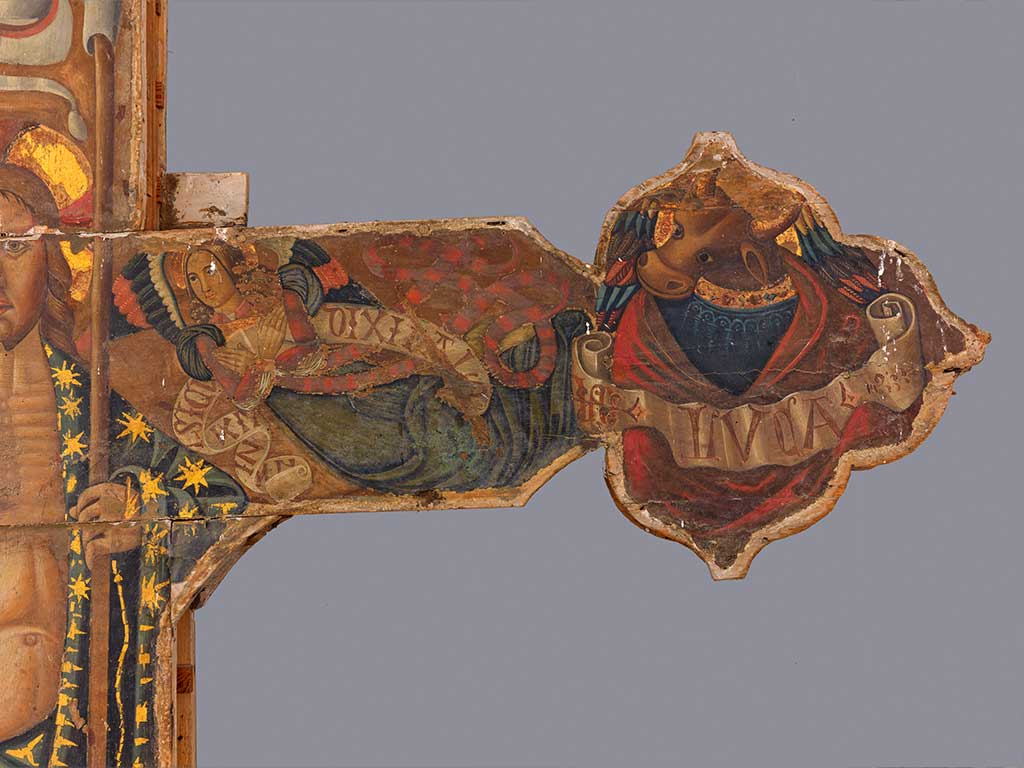
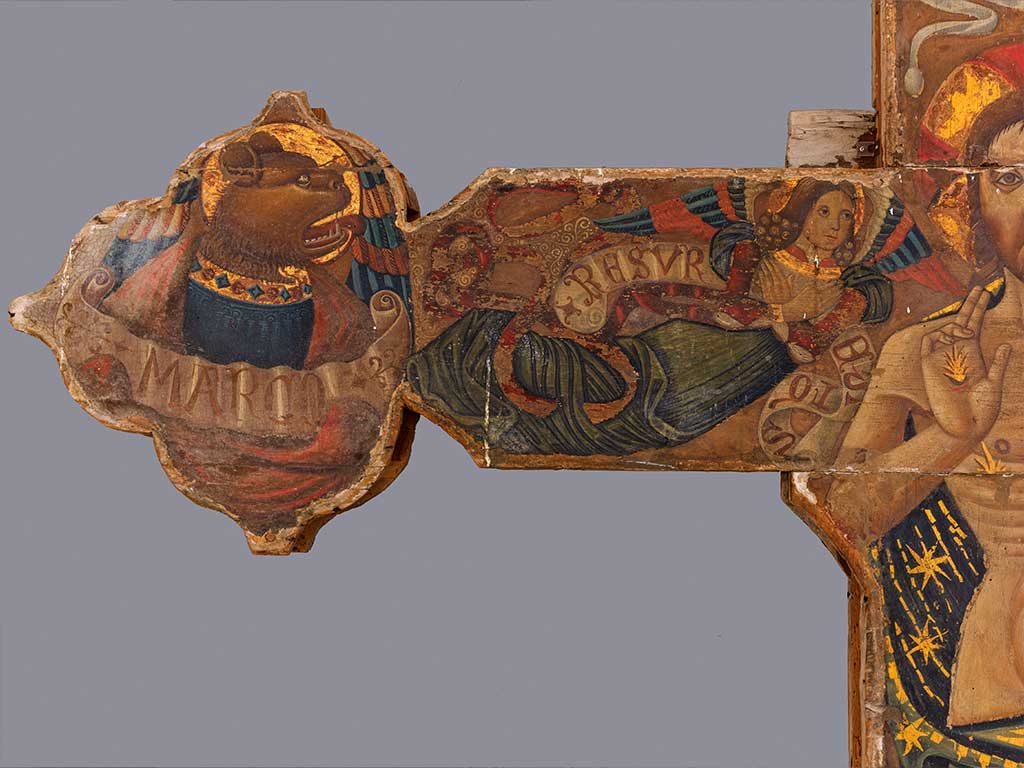
Preserved in a side chapel, it is attributed—or at least inspired by—the school of the Master of the Cross of Piazza Armerina, a masterpiece of Sicilian sacred art. Maestro della Croce di Piazza Armerina, capolavoro di arte sacra siciliana.


The Collegiate Church of Santa Maria Maggiore held a unique privilege: the right to establish extraordinary processions, determining their starting point and the manner in which they were conducted. This role made the church, for centuries, a spiritual and social reference point for the community of Agira.
Mass Times Saturday at 5:30 PM
Visiting the church today reveals a rich interplay of periods and styles, from the sober charm of its Norman origins to later Baroque and Renaissance additions. Every detail—columns, arches, altars, and statues—tells a story of devotion and craftsmanship, shaped by those who, over the centuries, have preserved and enhanced this remarkable place.
Every admission ticket contributes to the maintenance and protection of these sites, made accessible through the shared efforts of the local community. Visiting the churches of Agira means taking part in a collective act of preservation and cultural enhancement.