Places to Visit

Collegiate Church of SS. Salvatore, Agira

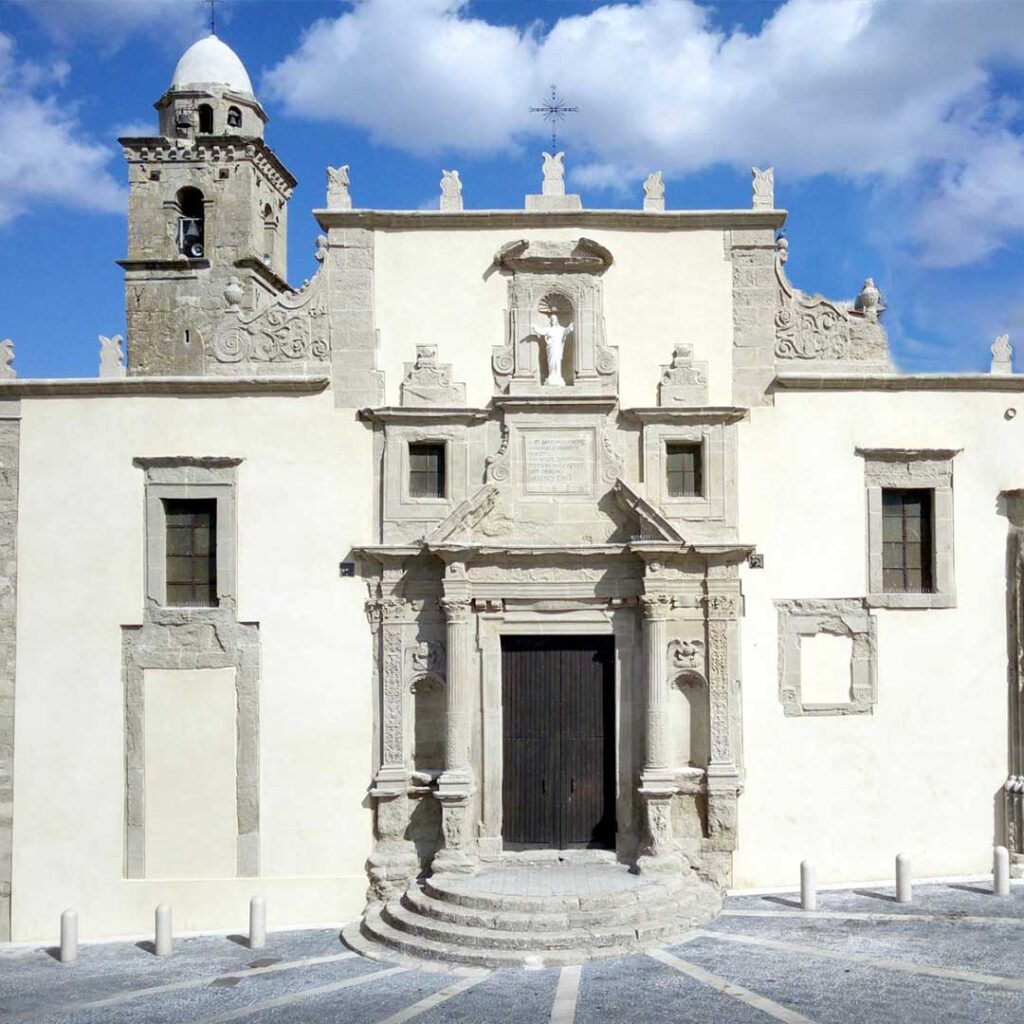
Among the oldest and most fascinating churches in Agira, the Collegiate Church of the Most Holy Savior dates back to the Norman period. Its sober and intimate appearance conceals a rich heritage of sacred art, historical evidence, and deep connections with the local community and Agira’s Jewish tradition.

Origins and architecture

Probably built around the same time as the Church of Santa Maria Maggiore, the Collegiate Church of the Most Holy Savior is distinguished by its façade, rebuilt in the 17th century, which blends Late Renaissance and Baroque elements.

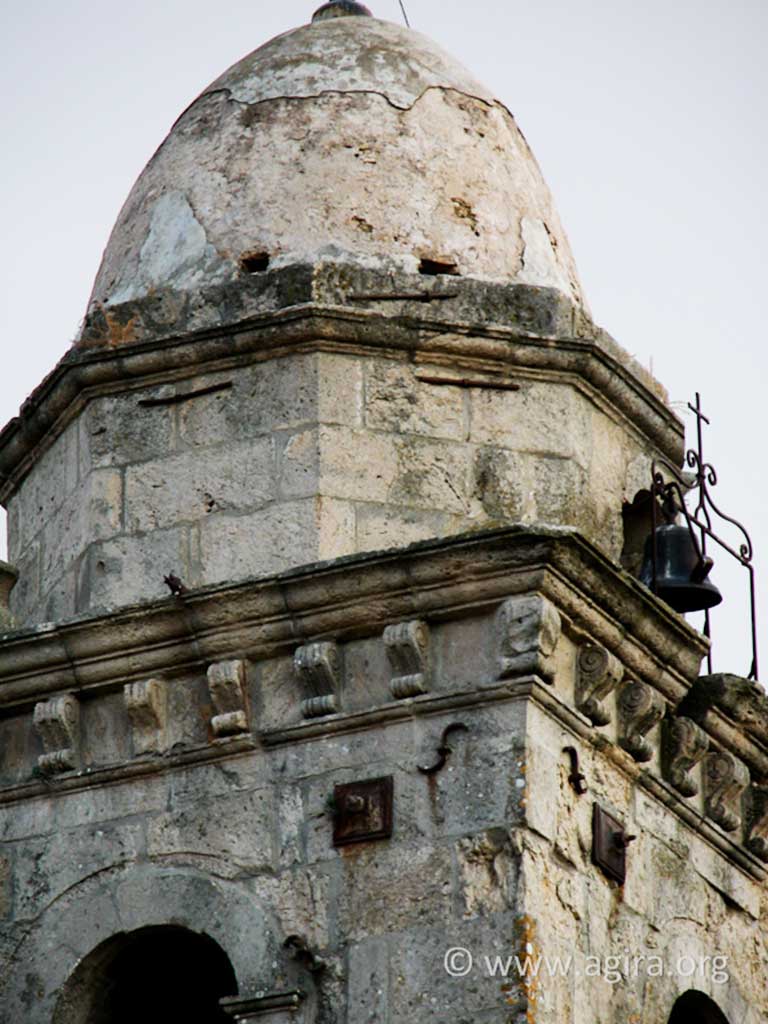
The bell tower reflects the layering of different periods: the lower section is Norman, while the upper, more elegant and decorative part dates to the 18th century.

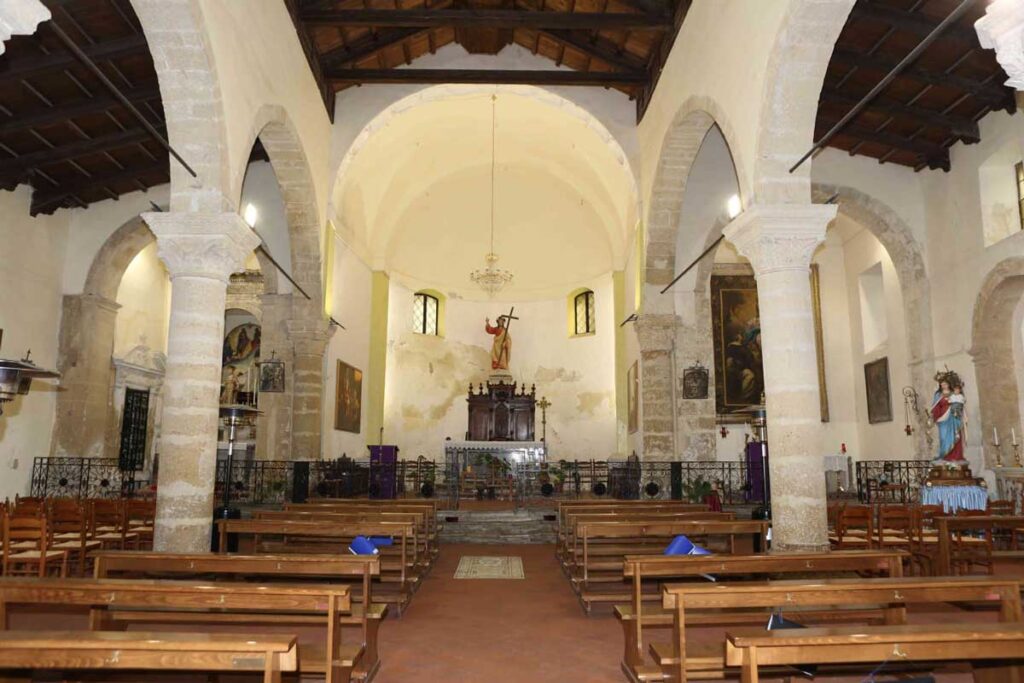
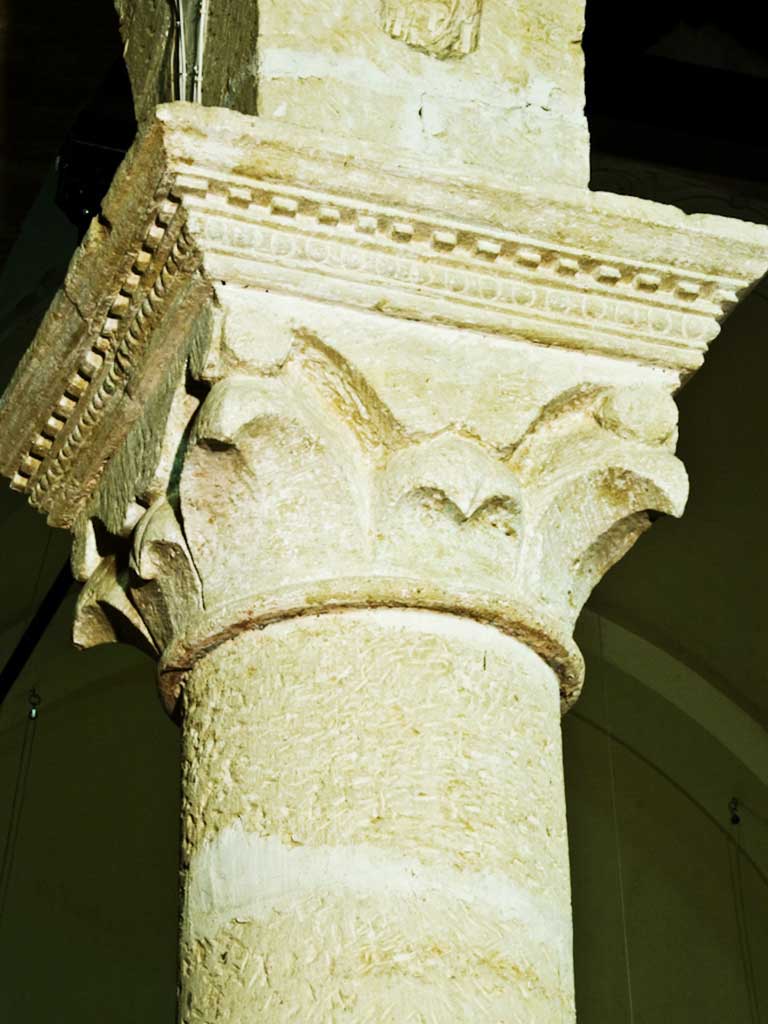
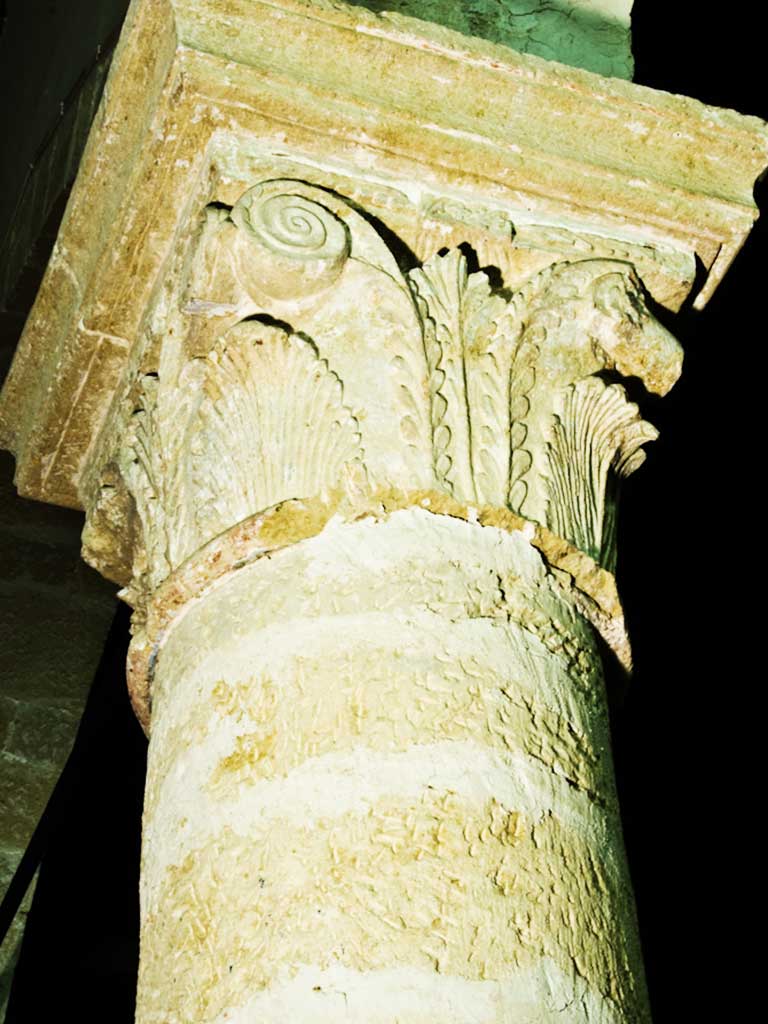
The interior, with an almost square layout, is divided into three naves by arches resting on columns with Romanesque capitals, each one different from the others. The wooden trussed roof, recently restored, restores the church’s original sense of simplicity.

Works of art and relics

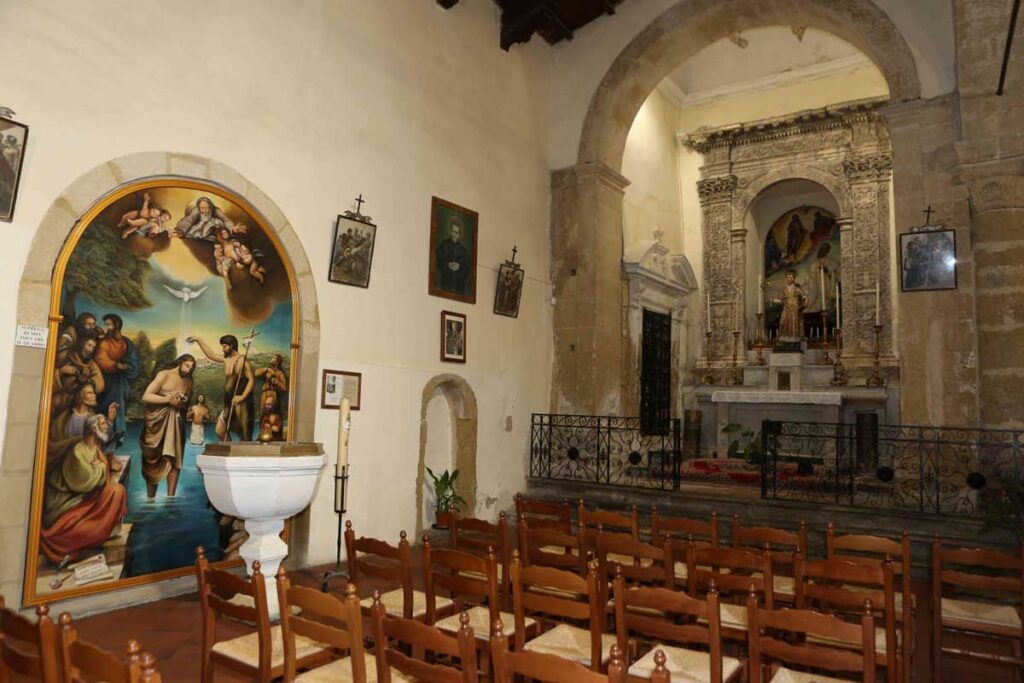
On the left nave stands the altar dedicated to Saint Philip the Deacon, enriched by a 17th-century alabaster cornice with bas-relief decorations.

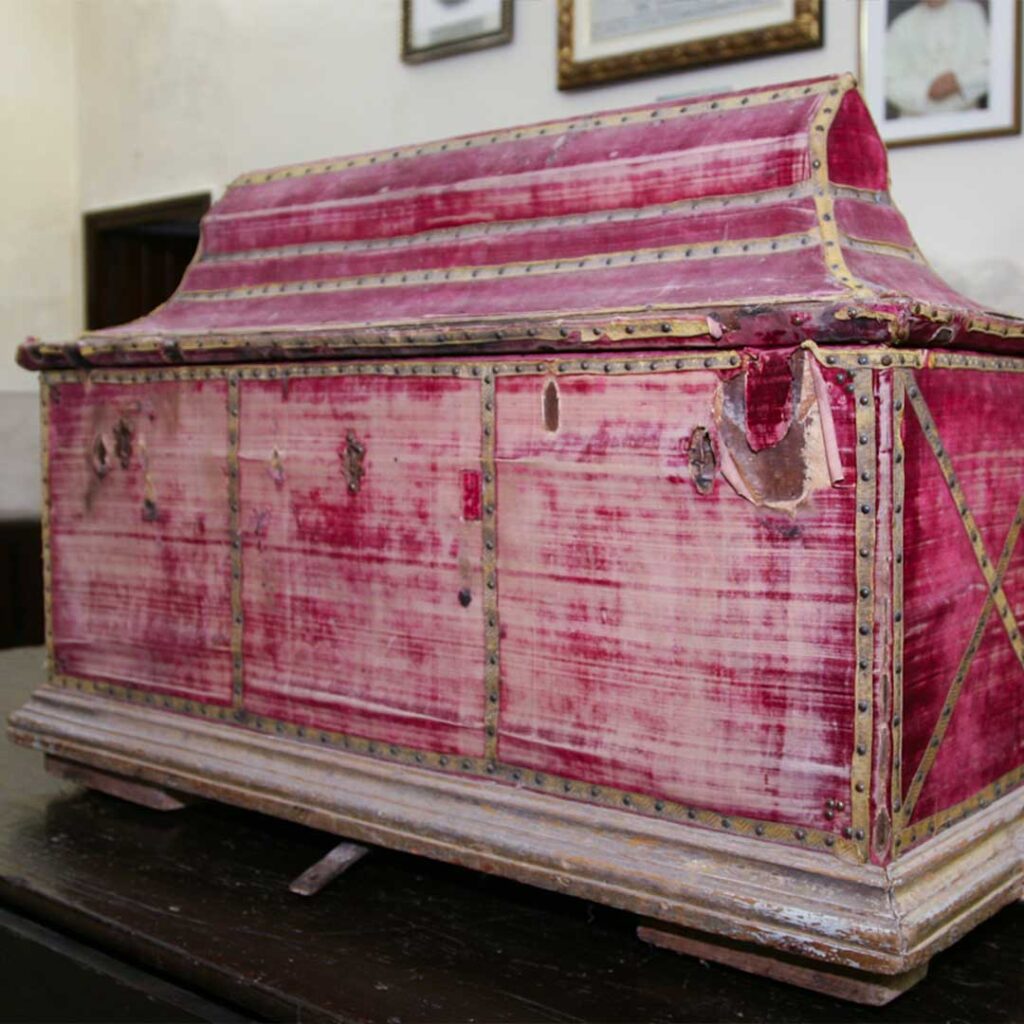
Behind a wrought-iron gate is preserved the Reliquary of the “Università” of Agira, covered in crimson velvet. It contains relics of Saint Philip of Agira, Saint Philip the Deacon, Saint Eusebius, Saint Luke Casale, as well as other relics from Jerusalem, including a fragment of the True Cross and a small vial which, according to popular tradition, is said to contain drops of the Virgin Mary’s milk.

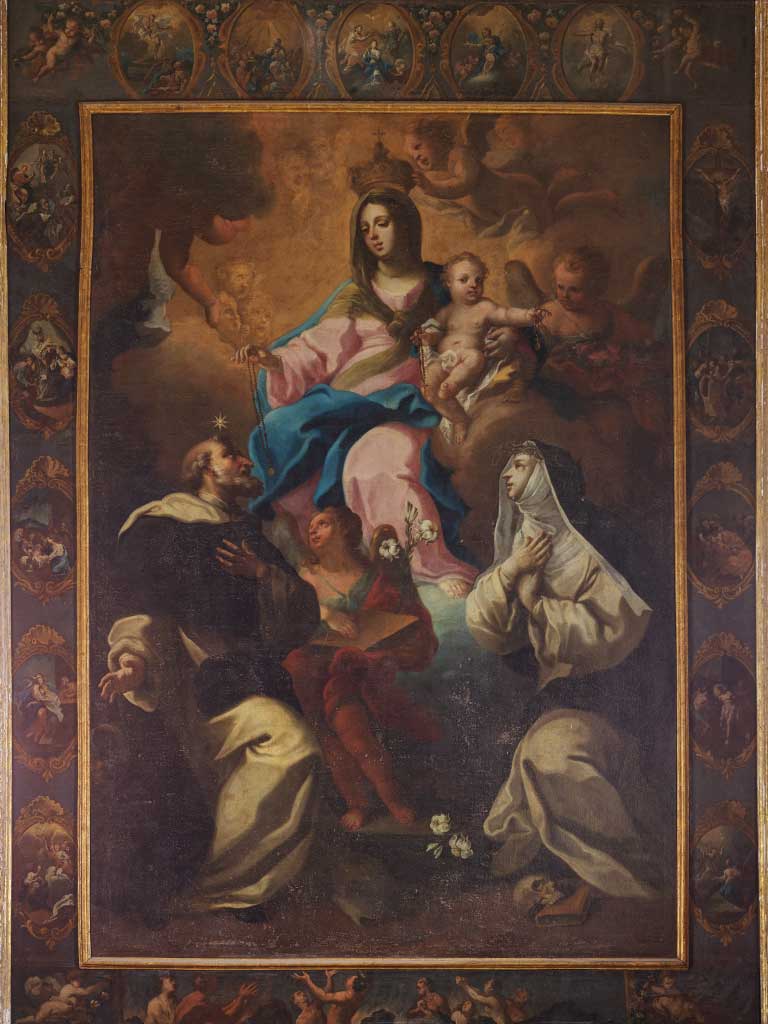
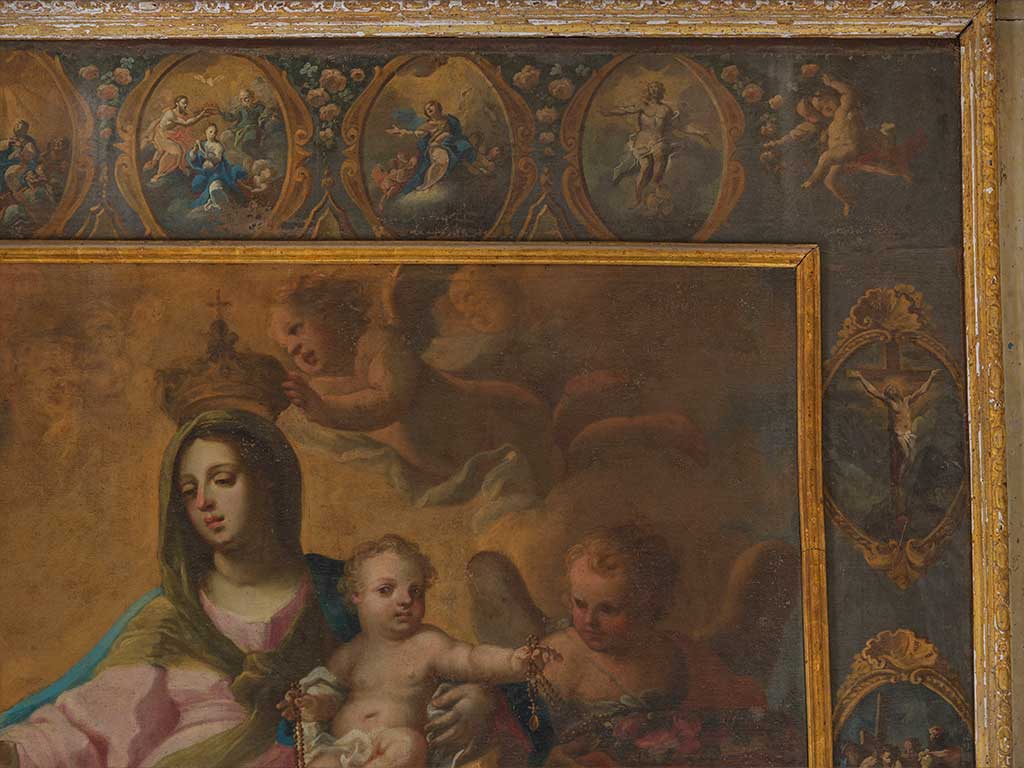
In the right chapel, visitors can admire an 18th-century painting by an unknown artist depicting the Madonna of the Rosary with Saint Dominic and Saint Catherine, surrounded by fifteen medallions illustrating the Mysteries of the Rosary.

The church also preserves sacred furnishings of great value, including the distinctive mitre and silver pastoral staff that once belonged to the abbot of the Benedictine monastery of Santa Maria Latina, as well as a 15th-century wooden panel—likely a fragment of an ancient polyptych—depicting Saint Philip trampling the dragon, a symbol of the devil.

Elevation to Collegiate status

In 1689, Monsignor Carafa, Bishop of Catania, elevated the Church of the Most Holy Savior to the rank of Collegiate Church, consolidating its central role in the religious life of Agira and strengthening its ties with the Diocese of Catania.

The Aron and Agira’s Jewish memory

Among the most precious testimonies of Agira’s Jewish past is the is the Aron Ha Kodesh theHoly Ark of the medieval synagogue. It is a rare and extraordinary example of 15th-century Jewish stone art.

Now housed within the Collegiate Church of the Most Holy Savior, the Aron bears witness to an ancient chapter of coexistence and culture, deeply rooted in the heart of medieval Sicily.

A note for visitors

Today, the Collegiate Church of the Most Holy Savior is one of the most significant stops along Agira’s artistic and spiritual itinerary. Here, Norman architecture, Baroque art, and Jewish heritage coexist in remarkable harmony. A unique site that tells the story of the cultural diversity that has shaped this land.

Mass Times

Visits are suspended during liturgical celebrations.

Sunday: 10:30 AM / 6:00 PM

Weekdays: 5:30 PM

Visits and heritage enhancement

Every admission ticket contributes to the maintenance and protection of these sites, made accessible through the shared efforts of the local community. Visiting the churches of Agira means taking part in a collective act of preservation and cultural enhancement.